
Ever climb two flights of stairs and feel like your lungs are on fire? Or finish a busy afternoon feeling totally drained even though you sit at a desk all day? You are not alone. Building real, everyday energy starts with smart Fitness Exercises For Improving Stamina. Stamina is your body's ability to keep going without getting tired too fast. When you train your heart, lungs, and muscles together, daily tasks feel lighter. You walk farther, play longer, and stay sharp from morning to night. This guide breaks down how Fitness Exercises For Improving Stamina work in clear, simple steps. Every tip uses plain words and practical routines you can start right away. Signing in to a Google Account is also helpful if you want to save this guide and come back to your progress later.
What Are the Best Fitness Exercises for Improving Stamina?
The best fitness exercises for improving stamina combine steady aerobic cardio (to train your heart and lungs) with repetitive strength and bodyweight moves (to keep muscles working without quick fatigue). Top choices include brisk walking, jogging, jump rope, cycling, swimming, bodyweight squats, mountain climbers, and step-ups. Stamina builds best when you match the exercise to your current fitness level and pace yourself so you can stay consistent. Short bursts or steady sessions work better than going all-out once and feeling wiped out for days.
Why Are Fitness Exercises Important for Improving Stamina?
Stamina is the bridge between feeling worn out and feeling strong all day long. When people ask why are fitness exercises important for improving stamina, the answer comes down to how your body uses oxygen and fuel. Good movement trains your heart to pump stronger and your lungs to pull in oxygen smoothly. Over time, regular training builds tiny blood vessels called capillaries in your muscles. More capillaries mean fresh oxygen reaches working muscles faster. Your cells also grow more mitochondria, which act like tiny power plants that turn food into steady energy.
"Humans are built for endurance, not speed... We try to run our races as if they were speed races, but they are not. They're endurance races." — Christopher McDougall
Better stamina also protects your long-term health. A stronger heart beats fewer times per minute at rest, which lowers strain on your body. You also bounce back faster after hard days, tough workouts, or stressful weeks.
Read Also: Fitness Exercises For Lean Muscle Growth: Best Beginner Routine
How Can Fitness Exercises Help Improve Stamina?
Understanding how can fitness exercises help improve stamina makes every workout feel purposeful. Two key body markers explain most of the magic: VO2 max and lactate threshold.
- VO2 max is the top amount of oxygen your body can take in and use during hard exercise. Think of it as your engine size.
- Lactate threshold is the point where effort gets hard enough that tired feelings build up faster than your body clears them. Better training pushes that tipping point higher.
When you do steady cardio and smart strength moves, your body adapts on purpose. Muscles clear fatigue byproducts better, and your heart pumps more blood with each beat. That is why Fitness Exercises For Improving Stamina turn tough climbs into manageable efforts.
Building Aerobic Endurance and Heart Efficiency
Cardio fitness for improving stamina trains your heart muscle just like lifting weights trains your arms. Steady jogging, brisk walking, swimming, or cycling ask your heart to keep a smooth rhythm. With practice, your heart moves more blood per beat and stays calm during moderate effort.
Boosting Muscular Endurance for Daily Tasks
Strength training exercises for improving stamina help muscles repeat work without burning out. Carrying groceries, holding a plank, or doing squats trains slow-twitch muscle fibers. Strong muscles also take pressure off your joints so you move smoothly for longer.
Top 10 Fitness Exercises For Improving Stamina
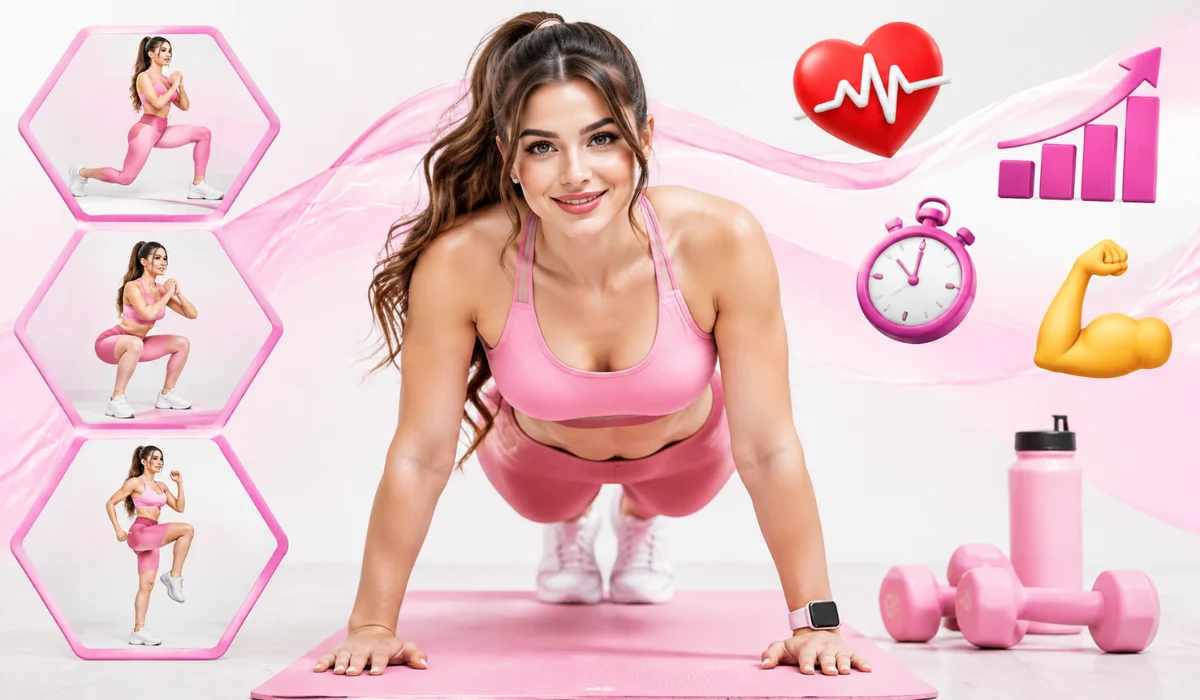
Here is the Top 10 Fitness Exercises For Improving Stamina lineup that works for beginners and regular movers alike:
- Brisk Walking or Power Walking: Easy on joints, free anywhere, and great for building a steady base.
- Jogging or Easy Running: Boosts heart strength and leg endurance once walking feels comfortable.
- Jump Rope: Builds fast footwork, coordination, and strong cardiovascular endurance in short blocks.
- Cycling (Outdoor or Stationary): Trains big leg muscles with low impact on knees and ankles.
- Swimming or Water Aerobics: Works upper and lower body together while supporting joint weight.
- Bodyweight Squats: Strengthens thighs and glutes so standing and climbing feel effortless.
- Mountain Climbers: Raises heart rate fast while working core, shoulders, and hip flexors.
- Step-Ups on a Sturdy Bench or Stairs: Mimics real-life stair climbing and builds single-leg power.
- Glute Bridges and Planks: Supports core stability so good posture holds up when you get tired.
- Rowing or Shadow Boxing: Combines arm and leg rhythm for full-body stamina gains.
Best Exercise to Increase Stamina at Home and Cycling Workouts
You do not need a crowded gym to build real endurance. Choosing the best exercise to increase stamina at home means picking moves that fit your living room, noise level, and fitness level. Low-impact and bodyweight options let you stay consistent on rainy days or busy evenings.
Fitness Exercises for Improving Stamina at Home
For fitness exercises for improving stamina at home, try a simple circuit with zero equipment. Do each move for 30 to 40 seconds, rest for 20 seconds, and repeat three to four times.
- March in Place with High Knees: Lift knees smoothly and pump arms to warm up fast.
- Wall Sit or Chair Squat: Hold a low squat or sit-to-stand to build steady leg stamina.
- Incline Push-Ups or Forearm Plank: Keep your core tight so your upper body stays strong.
- Step Jacks: Step one foot out to the side while raising arms if full jumping jacks feel too harsh.
Read Also: Best Guide to Home Fitness Workout Without Equipment
Cycling Exercises for Improving Leg Stamina
Cycling exercises for improving leg stamina shine because your quads, hamstrings, and calves work continuously. A stationary bike or outdoor path lets you control resistance smoothly without pounding your joints.
- Steady Endurance Ride: Pedal for 25 to 40 minutes at a pace where you can still speak in short sentences.
- Seated Hill Climbs: Increase resistance for 2 to 3 minutes at a steady cadence, then ease up for 2 minutes.
- Cadence Drills: Spin at a slightly quicker leg speed for 60 seconds with light resistance to train smooth turnover.
Effective Cardio Workouts and Daily Fitness Routines
Once you pick your favorite moves, structure matters. Effective cardio workouts for boosting stamina balance easy days with slightly harder days. Pushing hard every single day leaves you exhausted instead of stronger.
Daily Workout Routine for Increasing Stamina
A daily workout routine for increasing stamina works best when it is realistic and repeatable. Aim for 20 to 35 minutes most days, adjusting time or speed based on how fresh your legs feel.
- Minutes 1–5 (Warm-Up): Easy walk, arm swings, and gentle leg swings to wake up joints and blood flow.
- Minutes 6–20 (Main Stamina Block): Brisk walk, easy jog, or cycling at a steady effort you can hold comfortably.
- Minutes 21–25 (Optional Finish or Intervals): Add 4 rounds of 30 seconds a little faster and 60 seconds easy, then cool down slowly.
Simple Fitness Routine for Improving Stamina Across the Week
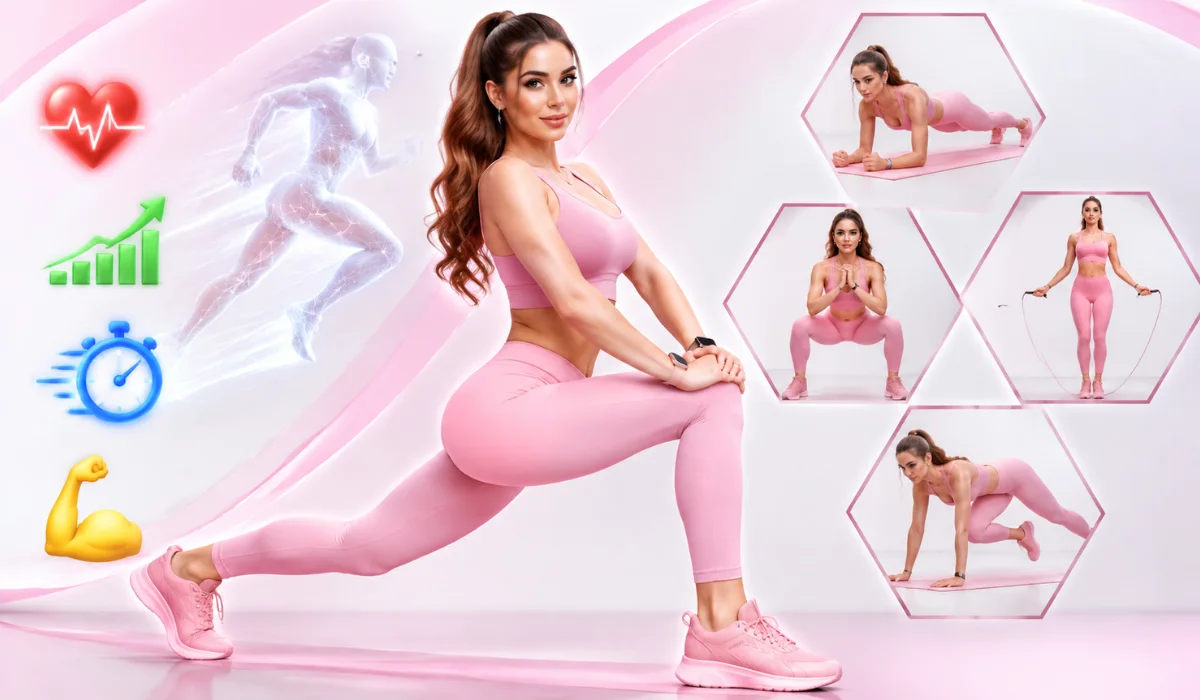
A simple fitness routine for improving stamina keeps your week balanced so you never burn out. Use this weekly guide to see how daily fitness exercises for building physical stamina fit together:
| Day | Focus Area | Example Workout | Effort Level |
| Monday | Steady Cardio | 25–30 min brisk walk, jog, or bike ride | Easy to moderate |
| Tuesday | Muscular Stamina | 20 min circuit: squats, planks, step-ups, rows | Moderate |
| Wednesday | Active Recovery | 20–30 min easy stroll, gentle yoga, or mobility | Light and relaxed |
| Thursday | Interval Cardio | 20 min total with short brisk bursts and easy rests | Moderate to hard |
| Friday | Core & Full Body | 20 min light bodyweight or band routine | Easy to moderate |
| Saturday | Longer Outdoor Fun | 35–45 min hike, bike ride, or swim | Steady and comfortable |
| Sunday | Full Rest | Rest, light stretching, sleep, and hydration | Very light |
Heart Health, Recovery Workouts, and Smart Pacing
Real progress happens between sessions as much as during them. Combining heart health and stamina improvement workouts with recovery workouts for improved stamina helps your body rebuild stronger tissues. Skipping recovery is one of the fastest ways to stall out or get a nagging ache.
"Comfort the challenged, and challenge the comfortable." — Ric Charlesworth
Watch simple signs as you build your routine. If your legs feel heavy for days, your sleep drops, or your resting heart rate stays unusually high, take an easier day. Drink water throughout the day, eat balanced meals with protein and complex carbs, and increase workout time by small steps each week.
Read Also: High Intensity Fitness Workout Guide: Fast Results for Beginners
Frequently Asked Questions
How long does it take to see stamina improvements from exercise?
Most beginners notice small wins—like feeling less winded on stairs—within two to four weeks of steady practice. Bigger changes in cardiovascular endurance and leg stamina usually build over six to twelve weeks of consistent workouts.
Can I build stamina without running?
Yes. Walking fast, cycling, swimming, rowing, dancing, and bodyweight circuits all train your heart and muscles well. Pick activities you actually enjoy so you keep showing up week after week.
How often should I do recovery workouts?
Plan one to two gentle recovery or rest days each week, and add an extra easy day whenever you feel extra tired. Light walking, gentle stretching, and easy mobility keep blood flowing without adding heavy stress.
Should I do cardio or strength training first for stamina?
If your main goal is stamina, start with a warm-up and your primary cardio or circuit block while you feel fresh. Light strength or core moves can follow right after, or you can split cardio and strength across different days.