
With the advent of technological advancement and "always-on" expectations, our general mental health has reached a level that is not sustainable. Traditional therapy as well as medicine is essential as an old-fashioned method that is now being reclaimed as an innovator in contemporary psychotherapy.
Yoga doesn't just focus on the physical flexibility of its practitioners or beautiful poses. It's now an extremely effective "biopsychosocial" intervention. The period 2026 will witness studies on clinical effectiveness becoming more prevalent. yoga as an extremely beneficial alternative to treating diverse mental health conditions.
This article will explain the crucial connection between your mat and your brain. This article provides a guideline that will help those who want to turn yoga a method to increase the emotional endurance.
1. The Science of the "Mind-Body" Connection
For a better understanding of how yoga aids in healing the mind, it's important to examine our autonomic nervous System (ANS). Most contemporary stresses trigger increase in our "Sympathetic" nervous system (fight-or-flight). The constantly triggered system can cause burnout, increased cortisol levels and also the development of clinical anxiety.
The Vagus Nerve and GABA
Yoga is designed to target specific parts within the Vagus Nerve that is the main component of the Parasympathetic Nerve System (rest-and-digest).
- Vagal Tone Regular exercise of yoga improves "vagal tone," allowing your body to repair from greater stress levels faster.
- Concentrations The 2025-2026 research show that even a 60 minute session of yoga increases the levels of GABA (gamma-aminobutyric acid) in the brain by as high as 27 percent. oga for Anxiety: Finding the "Pause" Button
Anxiety could be the consequence of living trapped in a grim future. Yoga brings one back to the moment by using the sensation of proprioception (awareness of your body's spatial position).
Key Techniques for Anxiety Relief:
- Pranayama (Breath Control): The "4-7-8" breathing method, which is also called Nadi Shodhana (alternate nostril breathing) transmits signals to the brain that lower heart rate.
- The"Grounding" Poses: Standing poses like Tadasana (Mountain Pose) give you a sense of stability as well as "rootedness" that counters the anxiety and agitation of anxiety.
3. Stopping the Recurrence of Depression through movement
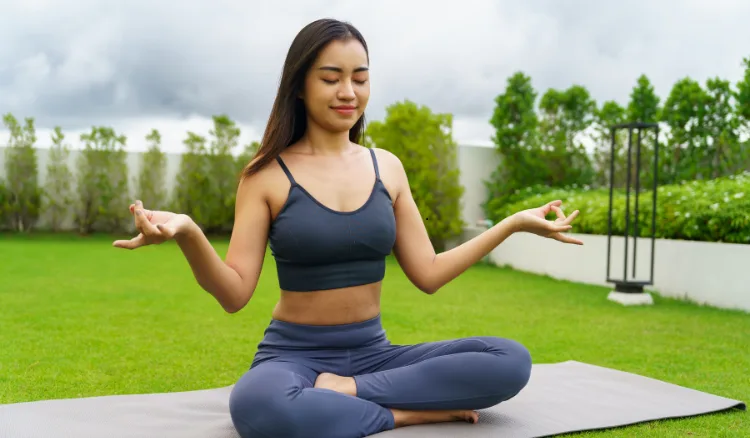
If anxiety is an over-active disorder that causes depression, it is often associated with "Samskara"--mental patterns or lines that remain inactive. Yoga can aid in reducing depression through releasing your prana (life vitality) and activating it to discharge "feel-good" chemicals.
The Neurochemical Shift
Yoga may stimulate production of:
- Dopamine is a chemical that gives rewards and increases motivation.
- Serotonin the mood stabiliser.
- Endorphins Natural stress- and pain killers.
"Heart-Opening Strategy "Heart-Opening" Strategy: Poses that open the chest such as Bhujangasana (Cobra Pose) or Ustrasana (Camel Pose) may be linked psychologically to greater vulnerability and emotional release. This can help "unstick" suppressed emotions.
4. Specific Yoga Poses for Mental Health Improvement
Yoga styles of all kinds can not be created the exact same way, in the end. It all comes down to your thoughts. Based on the present state of your emotional condition, different "Asanas" (poses) offer various therapeutic benefits.
| Mental Goal | Recommended Poses | Why It Works |
| Stress Reduction | Balasana (Child's Pose) | HTML0Relaxing and deeply relaxing. cuts down the sensorimotor sources. |
| Anxiety Relief | Vrikshasana (Tree Pose) | HTML0It needs an intense concentration as well as the mind is clear of distractions. |
| Lifting Depression | Adho Mukha Svanasana (Downward Dog) | Increases the flow of blood to the brain. The stimulation of nerve cells also increases. |
| Insomnia/Rest | Viparita Karani (Legs-Up-The-Wall) | Allows venous return and activates relaxation. |
5. Yoga and Trauma: The "Somatic" Healing Path
The modern psychology recognizes it is "the body is the one who keeps track of. " Trauma may be stored by storing tension within the fascia and muscles. Yoga is a safe environment to heal to the body to its natural balance.
An adapted Yoga for trauma (TIY) focuses on:
- Choice: Giving the practitioner the authority to take their own decision.
- Interception The capability to see the inside world, without judgment.
- Secure: Stay clear of "hands-on" modifications and focusing on what you experience within instead of the exterior "perfect" shape.
6. Implementing Mindfulness-based Practice into Your Work
What we think of as "Yoga" we see on social media could be only 1/8th of the actual practice. For the greatest mental health benefits, it is crucial to incorporate Dharana (concentration) and Dhyana (meditation).
How to Practice Mindfully:
- Set the goal of an Sankalpa (Intention): Before moving, say an affirmation positively (e.g., "I am at peace").
- Non-judgmental awareness: If your thoughts are directing you to a shopping list or an email from work, you must acknowledge the thoughts and then return to your breathing.
- It's the Savasana Aspect. Be sure to not miss the relaxation that you had just completed. This is the moment where your mind "integrates" the benefits of the exercises.
7. Overcoming Barriers: Yoga for Every "Body"
The common belief that you must be mobile for yoga. However, it is actually the opposite. If you breathe, then you're capable of doing Yoga.
- Chair Yoga It's extremely effective for those working in offices and those with limited mobility.
- Yoga Nidra Sometimes referred to as "Yogic Sleep," this involves lying down and listening to an enlightened mindfulness. It has been proved to be as soothing as a long period of restful sleep.
- Social (Sangha): Practicing in a social context (even online) will help reduce feelings of loneliness and loneliness. These can be the root cause of bad mental well-being.
8. 2026 Trends: The Rise of "Bio-Feedback Yoga"
2026 will witness technology being integrated into conventional practices. Many yoga teachers utilize technology to measure the heart rate variation (HRV) in yoga. High HRV may indicate an active nervous system. Being able to observe in real time how yoga Pranayama practice reduces tension levels can create bridges between religious zealots and those who practice skeptical.
Conclusion: Starting Your Journey
It's more than just performing handstands, it's also about the state of mind which you bring to the mat. If you devote even a few minutes a day to conscious of your breathing and moving, it's possible to alter how your brain reacts to stress.
Quick Start Checklist:
- Find a space five feet wide is the size you want.
- Focus on breathing: If the pose does not suffice, it means the breath is gone Then, take a step back.
- Consistency throughout Intensity 10 minutes per day is better than 90 minutes per week.
Disclaimer: Although yoga is a very efficient method of improving your the quality of your life, it should not replace medical guidance or treatment for serious health problems. Always speak to your physician before starting a new fitness program.
Frequently Asked Questions
Q: Can yoga replace my antidepressants?
A: Not. Yoga is considered to as considered to be a "complementary" therapy. It is recommended to use it in conjunction with other medical therapies. Do not stop or change the dosage of your medication without consulting your doctor.
Q: How long until I see mental health benefits?
A: Many report an immediate "yoga high" after one session as a result of the release of endorphins. But, structural changes in the gray matter in the brain are typically seen within 8-12 weeks of continual training.
Q: What is the best time of day for yoga for mental health?
Yoga practice during the early morning is a great way to create an energizing "tonality" for the day while evening yoga is great for clearing "mental clutter" and improving the quality of sleep.